A new big blog!
Hello,
Welcome to my latest blog – which is really just a part of my reflective practice. This is the story of my extended visit to study Traditional Thai Massage in Thailand in 2025.
Background to my trip
For many years I have wanted to study Traditional Thai Massage Therapy. I have had friends who have undertaken that particular journey to Thailand, and I was always a little in awe of their exotic adventures and their returning with new found skills.
Around 25 years ago I travelled to Rishikesh in India, and was able to learn and practise Yoga therapy in the ashrams at source. Prior to that, I had spent a couple of years studying Naturopathy and Oriental Massage Therapy at the College of Oriental Medicine in Sheffield, UK. My fascination for cultural therapeutic art has been longstanding. To whet my Thai therapy appetite in more recent times, I did complete a couple of short courses in Traditional Thai Massage in the UK. However, for much of my career in sports and exercise therapy and bodywork, I felt the need to focus on my development in more the Western medical and conventional scientific practice and principles in the field of musculoskeletal and sports and exercise medicine, which has continuously underpinned my role as practitioner, lecturer and author. But I am a pretty holistic guy at heart!
My wife and I had visited Thailand a couple of times previously – firstly for our honeymoon, and then again last year. Having made the big decision to leave my university lecturing role in 2024 to concentrate on my own private (home-based) practice, I realised, after our most recent visit to Thailand, that now was the time to prepare for a big new learning adventure. So, I spent months planning what would be an incredible trip. My primary destination was to be Chiang Mai City and in particular, the Old Medicine Hospital School.
At 62 years of age, I felt in some ways like a 25 year old. I was backpacking on my own from the UK to Bangkok, then on the overnight sleeper train up to Chiang Mai in the northern Lanna region of the country. It’s a pretty well-trodden route these days, but it’s still very exotic to me. So much is pleasantly different to the UK. I checked-in at my (budget) hotel and hired myself a mountain bike. I had just a couple of days to get a good look around, so I cycled over to Doi Suthep mountain (which is a westerly backdrop to the city) and hiked up the Monk’s Trail to Wat Pha Lat (the green and mystical temple). I found myself meditating up there for a very pleasant hour or so, as you do. On my return, I went to introduce myself at the Old Medicine Hospital School (which was literally across the road from my hotel, in the Haiya Sub-district); I had all great initial impressions with Steve, the School Manager, and paid my course fees. I then went to experience the infamous Hot Herbal Steam Bath, followed by a 90 minute Traditional Thai Massage at the School’s therapy centre. Really lovely. My evening (as it usually would be) was then centred around finding some great live music and some great local food – neither of which is difficult to do in Chiang Mai. The next day I biked over to Coconut market in the Mueang District to check out their wares (set in a quite stunning coconut plantation). From hereon in, my relatively intense period of study began.
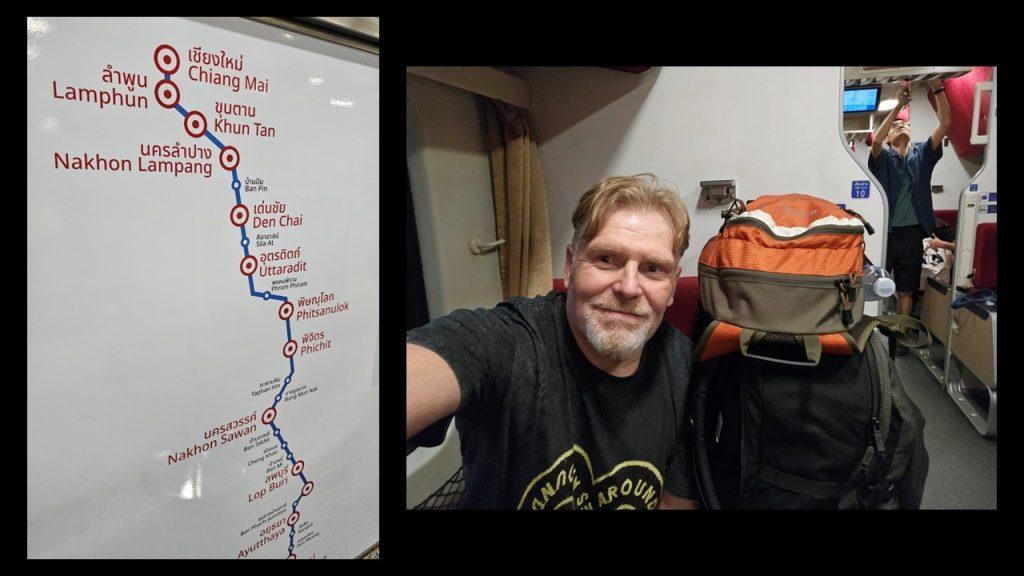
The sleeper train from Bangkok to Chiang Mai.
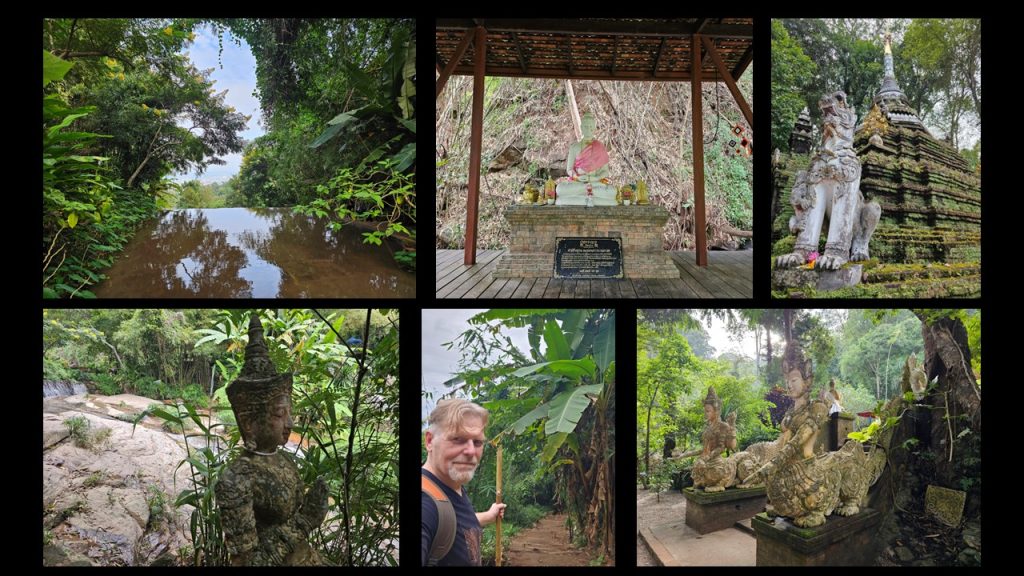
Wat Pha Lat.
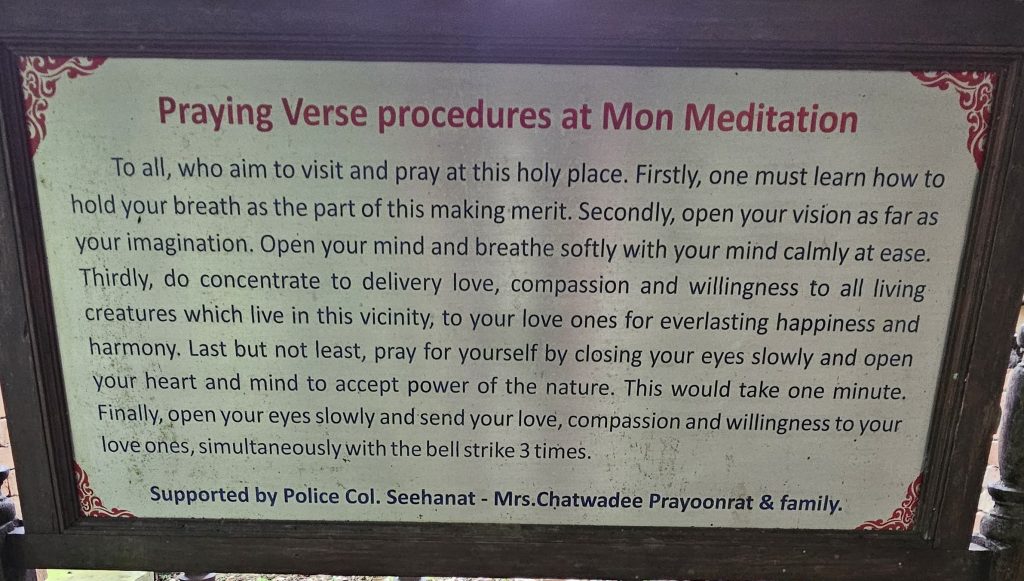
Meditation instruction at Wat Pha Lat.
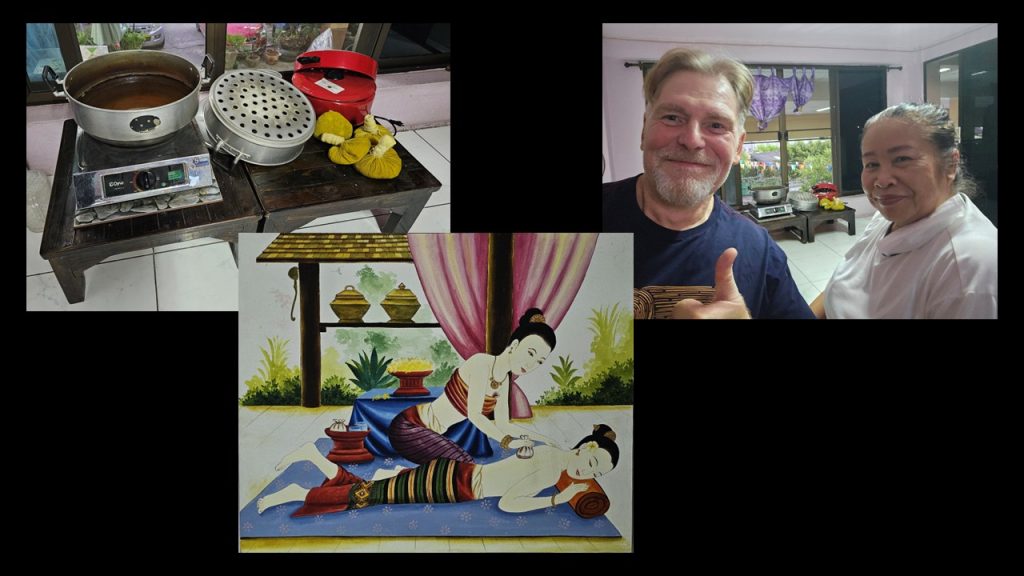
A hot herbal compress session with Pin, my lovely therapist at the Old Medicine Hospital School therapy centre.
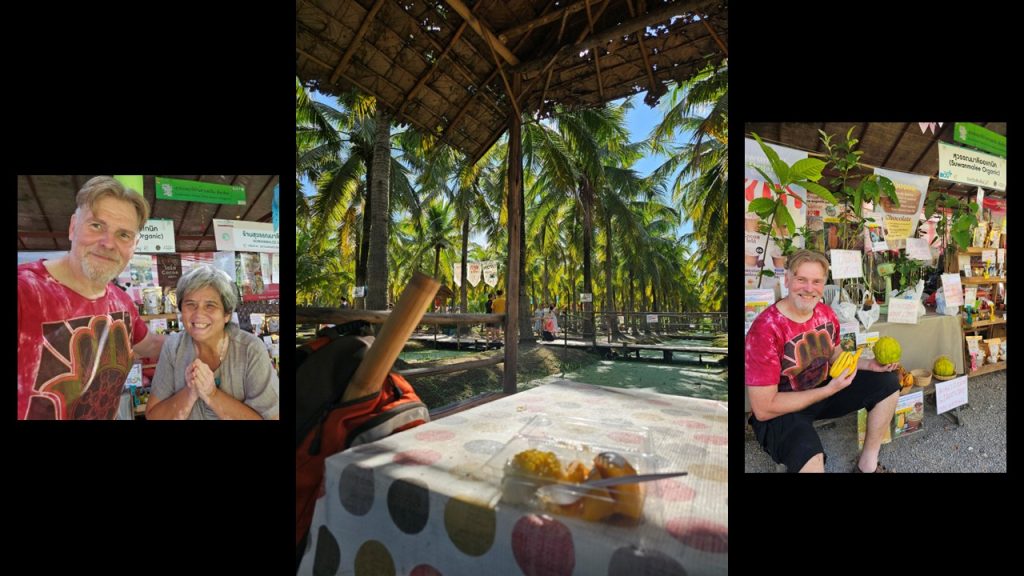
A visit to Coconut Market.
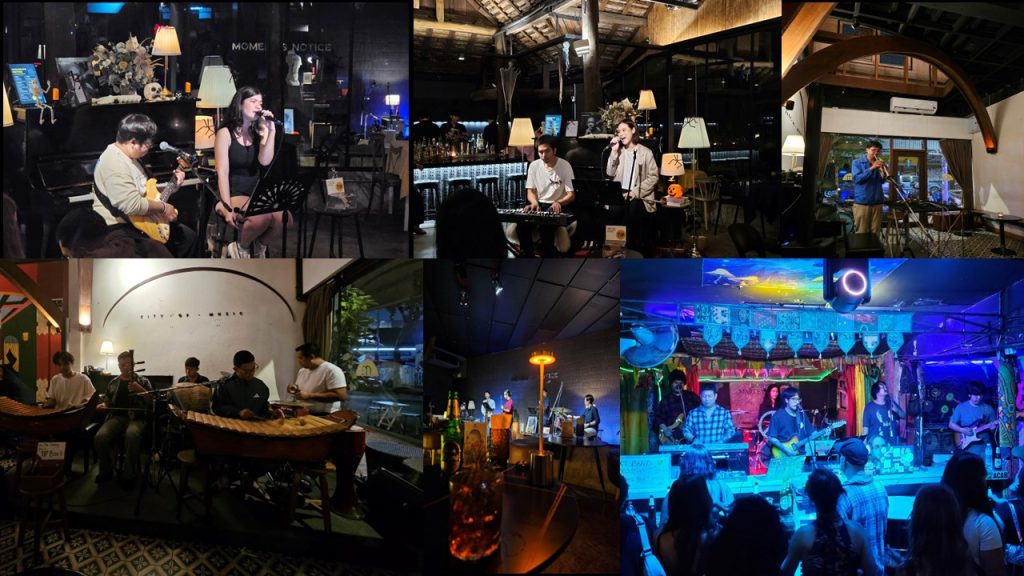
Fabulous music sessions in Chiang Mai.
For simplicity, I will begin the overview of my learning experiences in Thailand with a focus on my time at the Old Medicine Hospital Thai Massage School Shivagakomarapaj, where I studied Traditional Thai Massage, and also Tok Sen Therapy.
Historical background
The Old Medicine Hospital School has great significance in the history and development of Traditional Thai Massage. The following (in italics) is taken from literature at the School:
“The Old Medicine Hospital Thai Massage School Shivagakomarapaj stands with pride as the pioneering and distinguished originator of Lanna Thai massage, representing the traditional Northern Style of Thai Massage established in 1962. Founded by Ajahn (Master) Sintorn Chaichakan and presently led by Ajahn (Master) Wasan Chaichakan (his son), a second-generation practitioner who continues his father’s legacy, our institution has been instrumental in training thousands of students globally for over 60 years. The Lanna-style Northern Thai massage, cultivated at our school, holds international recognition and practice, serving as the standard foundation for “Northern Style Traditional Thai Massage”.
The word lineage is used to describe everyone who descends from a particular ancestor. Most traditional Thai healers trace their lineage back to the “Father Doctor” Jivaka Komarabhacca, the Buddha’s personal physician. In addition, one’s direct lineage of teachers is considered an important indication of authenticity and a mark of high quality. The Shivagakomarpaj Lineage is one of the most respected and widespread lineages of Thai massage in the world today.”
In early Buddhist texts (from around 2500 years ago), Jīvaka (who is also known as Jivaka Kumar Bhaccha, Shivaga, and Shivagakomarpaj) is depicted performing complicated medical procedures. He is honoured throughout Asian history by Buddhists, and to some extent by healers outside of Buddhism, as a model physician and Buddhist saint, and several medieval medical texts and procedures in India and China are attributed to him. Because of his historical significance, he has a central role in ceremonies involving Thai Traditional Medicine – it is usual for a traditional Thai medical school to have a shrine at its centre, where prayers are said and offerings given each day.
Na-Mo, Tas-Sa, Pa-Ka-Wa-To, Ar-Ra-Ha-To, Sam-Ma, Sam-Put-Tas-Sa (Respect for the Buddha)
Om Na Mo Shiv Va Ko, Si Ra Saa (Inviting the spirit of Shivagakomarpaj).
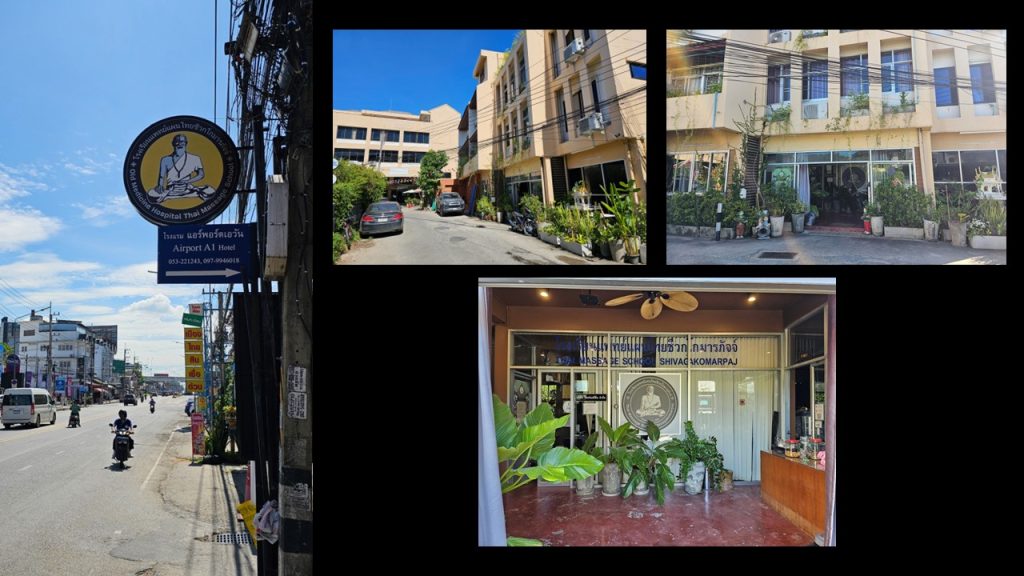
The location in Chiang Mai of the Old Medicine Hospital School.
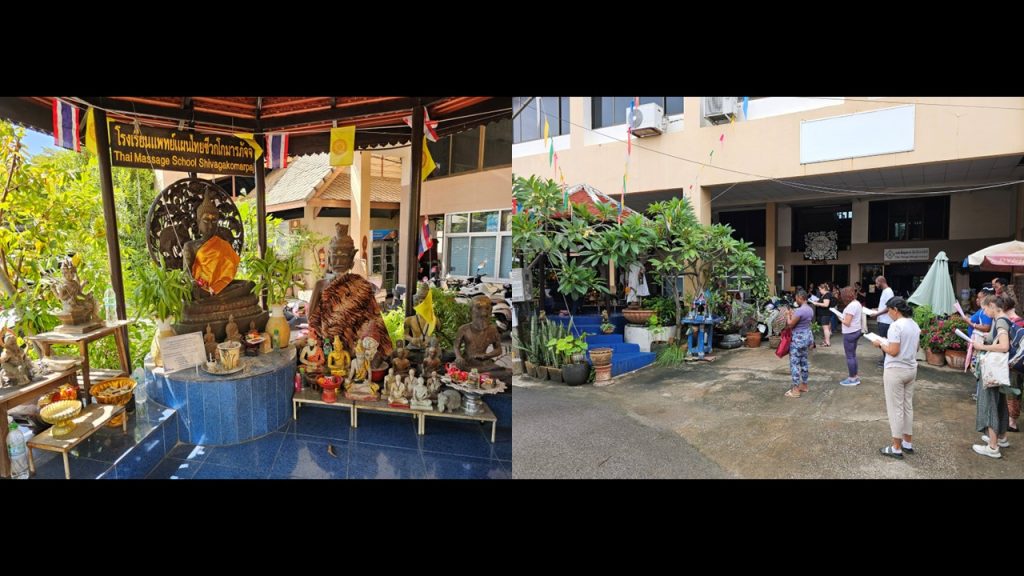
The Buddhist shrine at the Old Medicine Hospital School, and morning prayers.
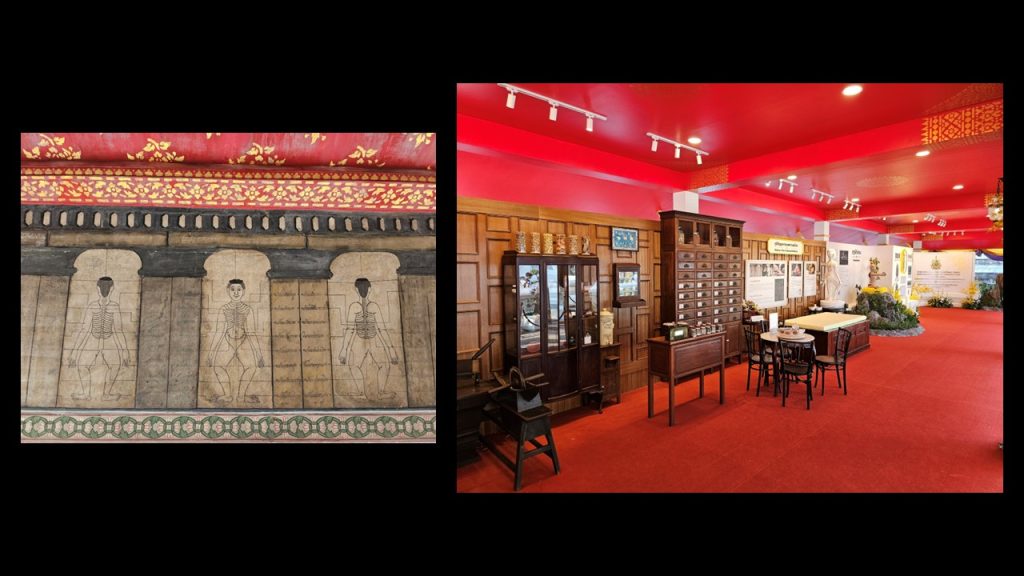
Wat Pho: The picture on the left depicts ancient epigraphs etched into stone at Wat Pho Temple in Bangkok; the picture on the right depicts The Wisdom of Traditional Thai Massage exhibit at Wat Pho Temple in Bangkok.
For me, the gratitude and ceremonial rituals are a wonderfully gracious and honourable aspect to the responsibility of being a pure therapist. Fully respecting the origins and the forefathers, as well as one’s own personal teachers and teachings. Consciousness to the origins and rituals of the practise, and to the spirit of healing.
The “Northern-style, Lanna massage” is considered to be somewhat slower and more relaxing than the “Southern (Bangkokian) style“. In the 1950’s, Master Sintorn Chaichakan had studied, practised and taught traditional Thai massage at Wat Pho temple in Bangkok. At the personal request of His Majesty King Bhumibol Adulyadej, he played a significant role in starting the massage teaching programme at Wat Pho. From the early 1960’s, Master Sintorn returned home to Chiang Mai and practiced and taught traditional Thai medicine and massage at several temples across the old city. In the early 1970’s, when developing a new traditional Thai medicine hospital, he adapted his practice of massage and herbal medicine to incorporate the aspects of northern culture he knew so well. One important change he made to the Wat Pho massage routine was to slow it down, as he said, to suit the more “laid-back style” of Chiang Mai natives. He also focused on the rich local herbal knowledge, incorporating treatments that were not part of the Wat Pho tradition into the pharmacopoeia. As time went on, the Thai government began to invest and build new, larger modern medical hospitals, and gradually the Traditional Thai Medicine Hospital, which had previously been busy with both in and out-patient care, turned its focus towards being primarily an educational establishment, with associated therapy centre. In terms of legacy, there are now perhaps 30 or more traditional Thai massage schools in Chiang Mai alone, and many of these will have been formed by those who have had some form of training at the Old Medicine Hospital School.
For many years though, Traditional Thai Massage was not well known outside of Thailand:
“In the remote countryside, the flame of serious Thai Traditional Massage was kept burning by masters practising in the spirit of the teachers of ancient times. They were well known and highly respected in their villages, but virtually unknown beyond their village boundaries.” (Asokananda, 1996)
As indicated, there was also a period around 50 years ago, when the established institutions such as the Wat Pho Massage School and the Shivagakomarapaj (Old Medicine Hospital) School found themselves swimming against the tide of advancing Western Medicine to preserve the ancient traditions. Asokananda (Harald Brust – a well-regarded German advocate and teacher of Traditional Thai Massage) provided useful historical insight in his classic Thai Traditional Massage for Advanced Practitioners text (Asokananda, 1996).
Traditional Thai Massage in the contemporary context
Authentic Traditional Thai Massage is a centuries old energy healing modality, strongly influenced by Indian Ayurvedic medicine and Yoga, and by Traditional Chinese Medicine (TCM) – but it is unique in its own right. It could be said that the focus is more upon process, technique, one to one working relationships (between giver and receiver), energy (Sen) lines, and spirituality, and less about anatomy, physiology and pathology. But that would be to oversimplify and underestimate the experiential and intuitive characteristics which can be developed in traditional therapy with diligent practice. For me, I know it helps as a UK-based practitioner to understand local, regional tissue anatomy and physiology (tissue properties; joint architecture and ranges of movement; neurochemical relationships; muscle, tendon and ligament attachment sites; organ positions; cardiorespiratory, digestive, urinary, immune and reproductive systems) as well as clinical assessment and reasoning strategy, alongside strong knowledge of how to deal with a patient who has anything more concerning than a straightforward musculoskeletal presentation – and this should be the case for anyone aiming to become a proficient remedial therapist. Understanding and working within one’s scope of practice, certainly in the West, is something to uphold, however, a lot can be said for the historical routines taught in cultural traditional massage therapy – they are highly likely to be safe and helpful for general health promotion, so long as the teachings incorporate an emphasis on safety – which in my experience – they do. Furthermore, and for me personally, I know I can incorporate and integrate traditional methods and techniques into my practice, just as I can with any other developing skill.
The Lanna-style, Northern Thai massage has a certain uniqueness. It is characterised by an extended sequence of choreographed, deliberate, slow, rhythmic and meditative movements. It incorporates deep yoga-type stretching, which, from personal experience, seems to help us get more out of the stretches, especially when combined with compressions and fixations. These techniques do work very effectively to reduce muscle tensions, promote flow of energy and relaxation, and enhance overall well-being. Being typically floor (mat) based, allows for a wider base of support, and facilitates a broader range of treatment positions and techniques, and the use of hands, forearms, elbows, feet, knees, thighs and body-weight in the treatment. Traditional Thai Massage is a “dry therapy” and does not typically involve the use of oils, although the therapy is commonly adapted for using essential oils or massage balms.
As a general concept, energy can be defined as the power, strength, force and ability or capacity to produce an effect (and is inherently associated with both life-forms and machinery). The traditional Asian concept of energy does relate to this, but the concept is expanded. For the body, energy is referred to as life-force, life-energy or Prana, in Sanskrit, Lom Pran in Thai, Chi in Chinese, and Qi in Japanese. The vital life-force energy is traditionally described as having two fundamental components: the cosmic vibratory energy that is omnipresent in the universe, contributing to the structuring and sustenance of all things; and the specific life-energy that pervades and sustains each human body (Chaithavuthi and Muangsiri, 2012).
Traditional Thai Massage focuses on the body’s energy line system (Sen lines; energy pathways) – conceptually, the invisible intrinsic life energy currents within us all. There are said to be 1000’s of Sen lines within the frame of the physical body (72,000 according to most), however, the initial schooling of these focuses on a primary set of 10 lines (Sen Sib) running up and down the arms, legs, back and front of the body. The Sen lines clearly relate with the Chinese acupuncture meridians, and the ancient practice of Indian Ayurvedic Medicine, but they are different. The centuries-long history, development, oral traditions and published documentation of energy medicine has seen both subtle and significant differences in theoretical teachings and practices across different continents and even country regions, meaning that it is impossible to ascertain absolute facts about the energetic methodologies. Indeed, even Asokananda (1996) stated that:
“In Thai massage, all the schools seem to agree that there are 10 main lines, but nobody seems to agree on where they run”.
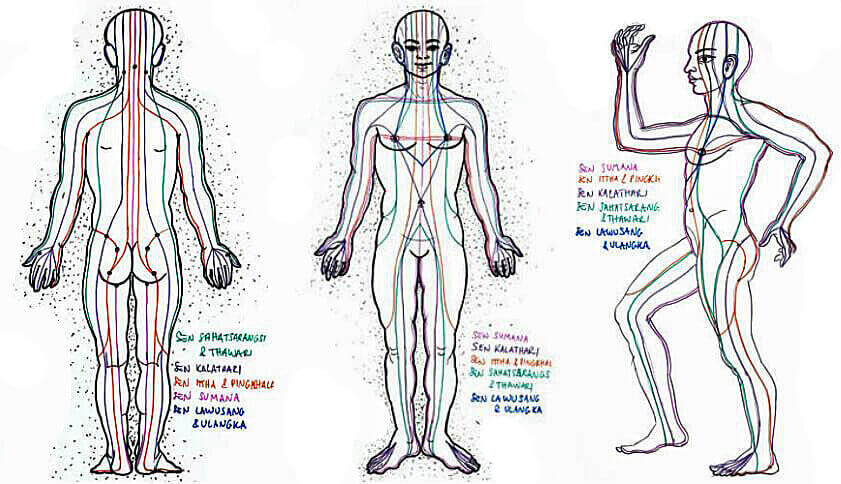
One diagrammatic referencing of the Sen Sib energy lines (a speculative interpretation).
The practice of Traditional Thai Massage is regarded as being one way of working towards the ‘Four Divine States of Consciousness’ in Buddhism:
- Metta is the demonstration of kindness and the desire to help others in their quest for happiness
- Karuna is the demonstration of compassion for others
- Mudita is the demonstration of happiness for the good fortune of others
- Upekkha is the demonstration of respect and no prejudice for others.
A typical prayer (which may be silently spoken or subvocalised on completion of the massage therapy) helps bring spiritual wishes for healing and health for the massage recipient:
Na Ah, Na Wa, Ro Kaa, Pa Ya Ti, Wi Nas Santi
Chaithavuthi and Muangsiri (2012) pertinently described Traditional Thai Massage as “the art of giving from two hands and the heart.” The fundamental philosophy for the delivery of traditional massage is that the pressing, stroking, rubbing, lifting, pulling, tapping, shaking and stretching along Sen lines will treat so-called ‘energy blockages’, dysfunctions in organs, musculoskeletal aches and pains, mental stress, mobility restrictions and nerve problems, and improve blood and lymphatic circulations in the body. The pressures and stretches employed in Traditional Thai Massage can, for the Westerner, feel pretty intense and extreme – and they can at times take one’s breath away (when delivered over-exuberantly). The teachings say that when performed accurately and correctly, it is practised with ‘medium pressure’ when at its lightest application, but it can also be intensively specific and deep.
Critical appraisal
I think it is probably important to consider that there are significant foundational differences between conventional (allopathic) medical care and traditional (naturopathic) medical care. Simply, traditional medicine is considered holistic health care, and takes into consideration the patient’s mind body and spirit. Health, as seen through this lens, is characterised by an increasing sense of vitality, flexibility, freedom from pain, contentment and youthfulness. Traditional medicine aims to help restore the body’s natural balance and enhance its innate self-healing capabilities via the use of health-promoting lifestyle approaches, nutrition, herb and plant remedies, massage, Yoga, meditation, thermal applications, and other natural methods. Its evidence-base is largely anecdotal or experiential, and is passed down within culture through its teachings. By contrast, allopathic medicine is literally evidence-based symptom targeted biomedicine (with drugs or surgery). This remains the dominant feature of modern medicine, but clearly over recent decades the mainstream medical approach has begun to adopt a more holistic biopsychosocial model of care, where causative factors are also considered. Neither allopathic nor naturopathic medicine are a panacea for all ills, but it is logical to accept that lifestyle, attitude, and prevention are preferrable to any attempted cure. Conceivably, an integrative model of medicine is the sweet spot for care, but for comprehensive mainstream adoption this would require a health care revolution. There have been more recent movement branches towards lifestyle and exercise medicine for medical practitioners to adopt, but public health organisations have to work within tight budgets that limit more personalised and health promoting (preventative) care. Hence, traditional medicine, and massage for that matter, remains a private and personal complementary choice for most health consumers.
The evidence-base to show the potential effects and benefits of Traditional Thai Massage, especially in comparison to other interventions via randomised controlled trials is extremely limited and is also typically of low to mixed quality. At the end of this blog, I have put together a short list of studies (primary and secondary) that have been undertaken and published, the majority of which do show promising benefits for such conditions as lower back pain, headache, muscle fatigue, sleep improvement, osteoarthritis, depression and stress.
In this modern era of Western evidence-informed musculoskeletal practice, the use of passive treatment is generally or often (arguably somewhat cynically) considered or pigeon-holed to be a low-level adjunctive intervention, in comparison to active (patient-empowered) therapy. Passive therapy (such as massage, joint mobilisations, cupping, acupuncture and dry needling, and kinesiology taping) has, in many quarters, been relegated in the treatment hierarchy due to its supposedly short-term or transient effects on pain or range of movement. The placebo effect is also commonly (and often justifiably) cited. There are also a host of anecdotal, dubious or even mythical claims about massage which are yet to be substantiated in research. Contemporary evidence suggests that many of the purported localised and mechanical effects of massage on soft tissue, whilst plausible and even observable, may often be more likely to be rooted in acute alterations in neurochemical activity. The effects of any massage session can also depend on several factors:
- The context (the setting; the practitioner; and the recipient)
- The indications for the treatment
- The type of treatment and techniques being used
- The timing and duration of the treatment
- The quality of the massage therapy (as with any profession, there are good and not so good practitioners)
- What other therapeutic interventions are being incorporated into the patient’s care (e.g., exercise rehabilitation; nutrition; medication; psychotherapy)
Furthermore, some of the scientifically proposed physiological and psychological effects can be considered as follows:
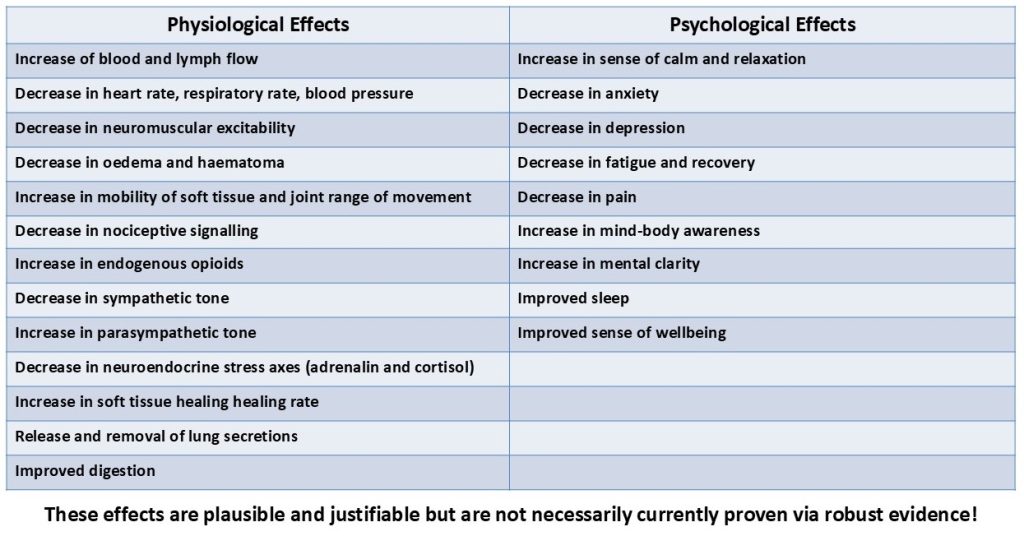
Effects of massage.
A recent research paper by Keter et al. (2025) provided an impressive evidence-based review of the wide-ranging effects of Manual Therapy (soft tissue mobilisation, joint mobilisation and manipulation) through a critical Western scientific lens. If you are a massage therapist, it is a worthy read. The authors’ summary points support the view that peripheral, segmental spinal, and supraspinal mechanisms occur with the application of Manual Therapy, and that these mechanisms are complex interactive responses across body systems which also interact with the individual patient and context to promote the resulting treatment response. The authors also state that these results can be measured directly or indirectly, but that the clinical value of such findings has not as yet been well established. The complex (molecular, cellular, physiological) mechanisms identified may include: biomechanical (altered tissue movement, fluid loading); neurological (fMRI activation, altered neural conduction); neuroimmune (release of inflammatory and anti-inflammatory mediators); neurovascular (sympathetic response); neurotransmitter and neuropeptide (release of serotonin, beta endorphin); neuromuscular (altered neuromuscular tone, muscle recruitment); neuroendocrine (release of cortisol); and more. However, the authors highlight how, according to current evidence, treatment mechanisms that occur are unlikely to be unique to any specific Manual Therapy intervention, and are also unlikely to be consistent across different patient populations.
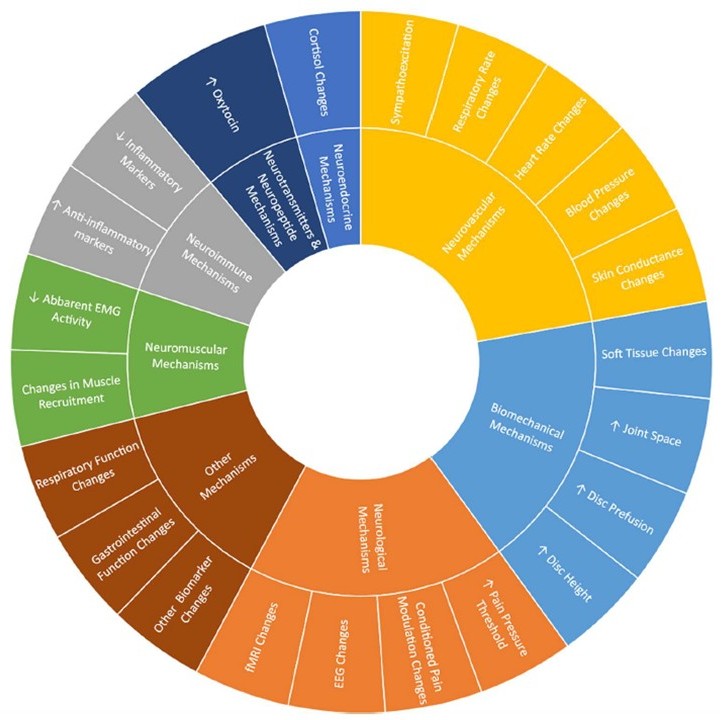
Treatment mechanisms occurring with Manual Therapy application (Keter et al., 2025).
Notwithstanding everything stated, I myself am a strong advocate for combining active with passive therapy whenever clinically-reasoned to be appropriate. I think it is also important to remind ourselves that the delivery of massage therapy often falls into two categories – i. as a primary (and/or adjunctive) therapy for treating health conditions; and ii. as a complementary therapy to aid in general health promotion. Sometimes these categorisations will become blurred. I also understand that ‘hands-on’ therapy can be wonderful in many less obvious ways, not least in being able to assess movement, restriction, pain and sensitivity (where treatment is also ongoing assessment); to provide a (post-massage) ‘window of opportunity’ to facilitate active rehabilitation; and to better help guide the recipient more towards an active self-management of their health.
I think we can all recognise that science and research poses the questions, but it does not have all the answers. It is often said that we (always) need more in the way of robust studies to show (or offer proof) to the specific efficacy of any one intervention for any one condition, or population. Unfortunately in the field of massage therapy, the limitations of time, resources and investment will most likely continue to curtail any significant increase in the quantity of higher quality research. Those that practice and those that receive massage or manual therapy and who frequently observe or experience successful outcomes will always vouch for the usefulness of such interventions. The evidence from practice is (anecdotally) known to only gradually filter through into the formal evidence-base for practice (if ever at all). Perhaps we (the general public; the health commissioners; and the health practitioners) should put more emphasis on the generation of qualitative (as opposed to quantitative) studies, where we highlight more the subjective and perceived effects (with long-term follow-up) on such outcome measures as pain, recovery, performance, sleep, mood, function and even hope, expectation and preference?
Qualitative research is the study of the nature of phenomena and which supplies non-numerical information and subjective conclusions. It is used to investigate people’s beliefs, attitudes, experiences and behaviours. It prepares and asks questions in the form of questionnaires, interviews and focus groups, and observes behaviour.
Quantitative research is the design of hypothesis-driven experimental and analytical studies (e.g., RCTs; crossover trials; meta-analyses). Quantitative research employs objective measures with statistical methods. Statistical techniques are concerned with the collection, organisation, analysis, interpretation and presentation of numerical data in order to identify patterns and clinical significance, create predictions, test causal relationships, make recommendations, and generalise findings. (Ward, 2024)
The well-established three-component model of evidence-based medicine (Sacket, 1997) certainly incorporates the individual patient’s values and expectations, alongside consideration of the presenting evidence-base and the practitioner’s experience and expertise. Ideally, all individual health-care practice would be patient-centred.
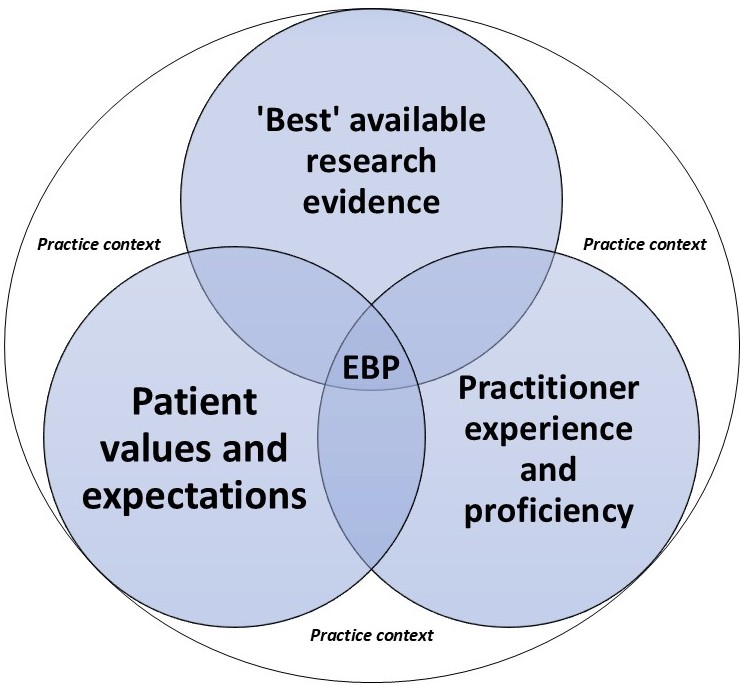
Model of evidence-based practice (Sacket, 1997, in Ward, 2024)
The Foundation Thai Massage Courses
The two weeks I spent at the Old Medicine Hospital School were a wonderful experience. Here was an exciting, happy and welcoming atmosphere. I personally drew close comparisons to the university teaching environment in Birmingham, UK that I worked in for many years – particularly with the lovely, willing and dynamically-skilled teaching team (Yaya, Vivi, Gift, Pop, Lek, Ning and Kang – I hope I got all the names right!). It is a great learning facility with many large and small teaching rooms, white boards, screens, a common room, toilets, showers and foot baths, free hot and cold drinks, and a vegetarian café all on site. As mentioned, the School’s Buddhist Shrine, a Hot Herbal Steam Bath, and the Shivagakomarapaj Therapy Centre are also within the grounds.
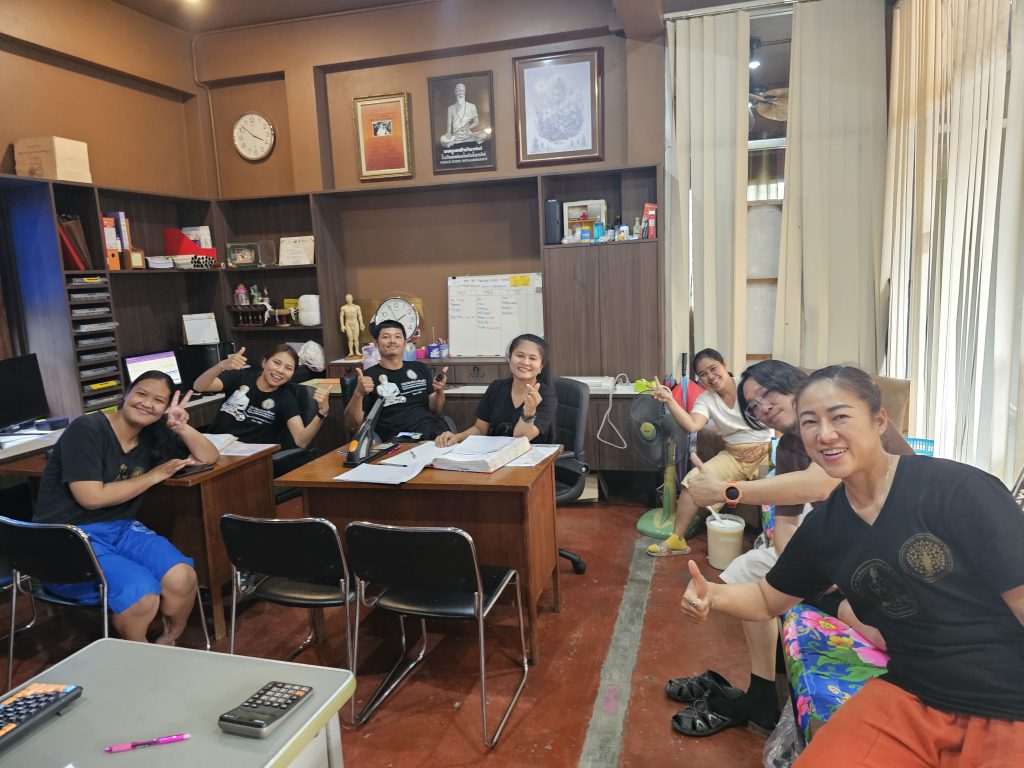
The fantastic teaching team at the Old Medicine Hospital School.
The teachings for each week-long course followed a logical pattern. A course handbook is provided, with brief text, prayers and background, plus a series of numbered drawings which illustrate aspects of each of the particular techniques. The student is then required to make their own notes and record the necessary steps to each procedure adjacent to the pictures. Typically then, a taught component is presented where principles are outlined and safety guidelines highlighted, followed by demonstration of a sequence of techniques (with options to adapt offered for differing client-types). There then would typically be a short break, and on return an extended period of practice with teacher guidance. The same format would follow for the afternoon. Eventually, all required steps to the completion of the course are covered by day three or four, and then there is the full opportunity for practice and revision ready for the two-hour practical exam on the Friday. Essentially, for foundation courses, a routine of treatment – rather than anything veering towards diagnostics or specific interventions – is the approach (The Old Medicine Hospital School does offer advanced weeks of training for those able to stay longer, or able to return at a later date). The foundation courses teach a thorough whole body routine incorporating prone (face down), supine (face up), side-lying, and seated treatment positions, where feet, legs, pelvis, abdomen, hands, arms, shoulders, back, neck, head and face are all very satisfactorily treated to provide a very wholesome and thorough massage experience. There are a set of fundamental principles which are taught and encouraged in Traditional Thai Massage, these include:
- Understanding contra-indications to treatment
- Assessing the recipient’s suitability to receive massage therapy
- Assessing the recipient’s preference for the intensity of treatment
- Tuning in to the needs of the individual (aiming to perceive the dynamics of the whole body)
- Fostering an internal sense of healing intention
- Creating a conducive environment for rest, relaxation, and healing
- Beginning with gentle warming-type sequences prior to any deeper or stronger work
- Performing Sen line work first, before joint mobilisations and Yogic stretching
- Working on the extremities prior to the core of the body
- Starting from the feet and gradually working towards the head
- Providing balance in the massage – any steps performed on one side of the body should be perform on the other
- Maintaining a consistently professional, hygienic and ethical practice
For my first week, I felt like I was on a Yoga boot camp! I have my own regular daily exercise and fitness routines, but as an older, larger, heavier and taller student, with arthritic knees, the practical work was sometimes a little challenging. Culturally, Thai people generally spend more time on the floor throughout their life; socially, they can often be seen eating cross-legged at low tables, and often working on the floor. Thai people are also typically smaller and shorter (and possibly leaner) than Westerners. Do Thai people in this era spend less time sitting in chairs and on sofas, working at computer screens, and driving? Are Thai people more flexible than Westerners? Are they more likely to have had traditional massage therapy (from family members or local practitioners) during their upbringing and on into adult life? Either way, even with the air-conditioning in the teaching rooms, my shirt would be soaked with sweat by the end of the day – but it was always a good workout, and gradually my mobility was improving.
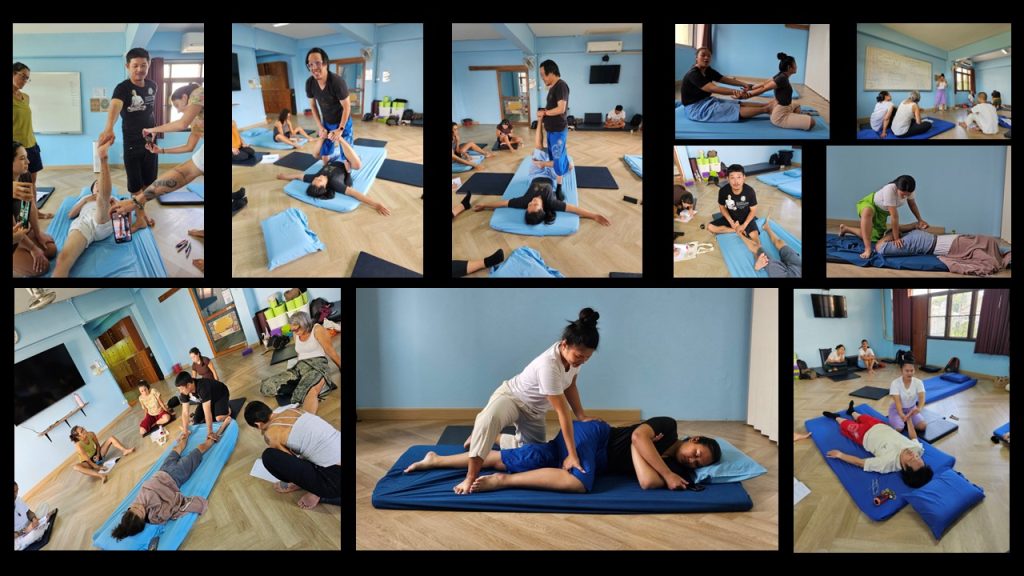
Old Medicine Hospital School classes.
Whilst the courses are very enjoyable and relatively relaxed, it is highly impressive how, after just a few weeks, the student will have developed a strong foundational skill-set that would clearly provide a great platform for professional practice as a Traditional Thai Massage Therapist. My main recommendation for anyone starting out on this journey from scratch and planning to work in their own country – in addition to the obviously required period of post-qualification practice and consolidation – would be to undertake additional recognised training and qualifications in anatomy and physiology, pathology and basic assessment (or at least sports injury or musculoskeletal health management). Any Level 3 or 4 massage qualification in the UK, for example, would cover these areas. They should also aim to join a professional therapy association and get appropriate practitioner insurance. Purists, however, might (quite justifiably) simply suggest that deep scientific knowledge of anatomy, physiology, pathology and clinical assessment is not necessary for safe and useful delivery of Traditional Thai Massage. In this sense, the diligent novice practitioner will mindfully follow the traditional teachings and principles to gain their experience, and, with consistency, can become the master of their art. In so doing, they will develop questions – and find answers – and the creative process for developmental traditional transmission can occur.
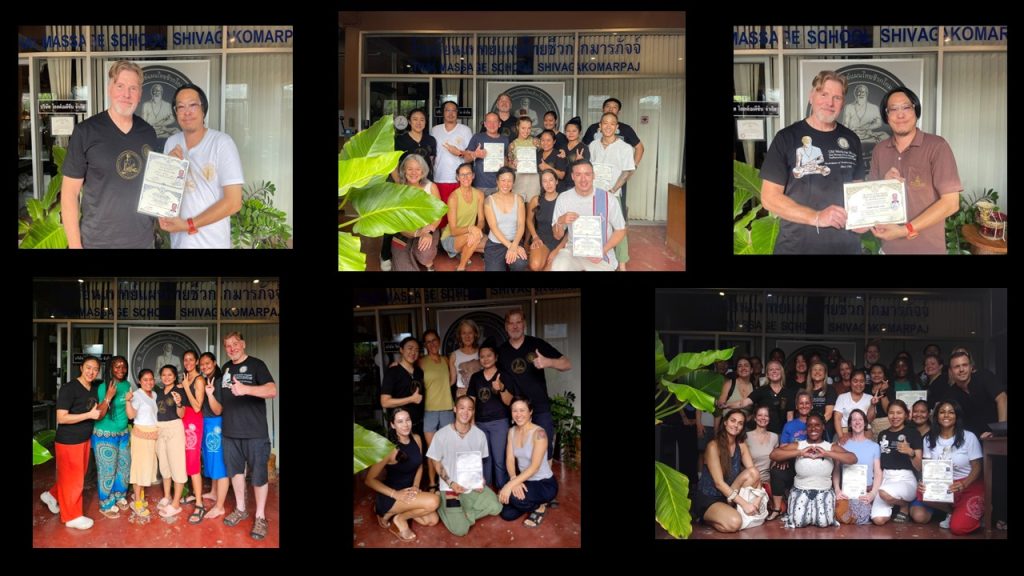
Graduation ceremonies at the Old Medicine Hospital School.
In drawing this big blog to a close, I want to provide a nice extract from Briciu and Prompitak (2016) which I believe holds true:
“The accounts of Western students show that a great majority came to study Thai Massage as a path to self-transformation. They learn not only the techniques but also a new way of perceiving the mind/body relationship and new ways of relating to other people. The majority of them study Thai massage together with meditation and yoga in order to develop the qualities of mindfulness and compassion. These two qualities are essential aspects of the education of the heart. Mindfulness creates a state of mind free of thoughts and personal problems that allows for a genuine perception of the needs of the receiver. Compassion adds a therapeutic dimension to Thai Massage by creating an atmosphere of trust and loving-kindness.”
Useful phrases
If you are ever fortunate enough to find yourself in Thailand, and in a Traditional Thai Massage centre, it can be useful to be able to communicate a few phrases – as English is not always fluent.
- Sa-wat-dee krap/ka (Hello)
- Nuat Thai krap/ka (Thai massage)
- Bao-bao noi krap/ka (A bit softer please)
- Got raaeng noi krap/ka (A bit stronger please)
- Bpuat trong-nii krap/ka (It hurts here)
- Khop-khun maak krap/ka (Thank you very much)
I hope that my appreciation for this wonderful travel and learning experience is clearly evident. I am thankful for having had the opportunity. In Part 2 of this blog, I will overview the other courses I undertook during my time in Thailand.
Khop-kun krap (Thank you).
I hope you found this interesting. Stay tuned, keep well, and maybe I’ll see you later : ))
References
Asokananda (Harald Brust) (1996) Thai Traditional Massage for Advanced Practitioners. Editions Duang Kamol.
Briciu, B. and Prompitak, K. (2016) Educating the heart: Mindfulness and compassion in the study and practice of Thai massage. Journal of East-West Thought. 2(6): 67-87
Chaithavuthi, J. and Muangsiri, K. (2012) Ancient Thai massage: Healing with Life Force (3rd ed). Thai massage Book Press.
Keter, D.L., Bialosky, J.E., Brochetti, K., Courtney, C.A., Funabashi, M., Karas, S., et al. (2025) The mechanisms of manual therapy: A living review of systematic, narrative, and scoping reviews. PLoS ONE 20(3): e0319586. https://journals.plos.org/plosone/article?id=10.1371/journal.pone.0319586
Sackett D.L. (1997) Evidence-based medicine: How to practice and teach EBM. Churchill Livingstone. In Ward, K. (2024) Handbook of Sports and Exercise Therapy. Routledge.
Ward, K. (2024) Handbook of Sports and Exercise Therapy. Routledge. https://www.routledge.com/Routledge-Handbook-of-Sports-and-Exercise-Therapy/Ward/p/book/9780367714598#
Research papers (in non-specific order)
A Randomized Controlled Trial on the Effectiveness of Court-Type Traditional Thai Massage versus Amitriptyline in Patients with Chronic Tension-Type Headache: https://www.ncbi.nlm.nih.gov/pmc/articles/PMC4587431/
The Effectiveness of Thai Massage and Joint Mobilization: https://www.ncbi.nlm.nih.gov/pmc/articles/PMC5495387/
The Influence of Traditional Thai Massage on Recovery from Gastrocnemius Muscle Fatigue: A Single-Blind Randomised Controlled Trial: https://www.sciencedirect.com/science/article/pii/S096522992400044X
The Effectiveness of Thai Exercise with Traditional Massage on the Pain, Walking Ability and QoL of Older People with Knee Osteoarthritis: A Randomized Controlled Trial in the Community: https://www.ncbi.nlm.nih.gov/pmc/articles/PMC3927027/
Thai Massage, and Thai Herbal Compress versus Oral Ibuprofen in Symptomatic Treatment of Osteoarthritis of the Knee: A Randomized Controlled Trial: https://www.ncbi.nlm.nih.gov/pmc/articles/PMC4165631/
Effects of Thai Massage on Physical Fitness in Soccer Players: https://www.ncbi.nlm.nih.gov/pmc/articles/PMC4339173/
A Randomised Crossover Trial Comparing Thai and Swedish Massage for Fatigue and Depleted Energy: https://www.sciencedirect.com/science/article/abs/pii/S1360859217302383
The Effect of Traditional Thai Massage on Quality of Sleep in Adults with Sleep Problem: https://tis.wu.ac.th/index.php/tis/article/view/3063
Immediate Effects of Traditional Thai Massage on Psychological Stress as Indicated by Salivary Alpha-Amylase Levels in Healthy Persons: https://pmc.ncbi.nlm.nih.gov/articles/PMC4599180/
Effects of Thai Foot Massage on Balance Performance in Diabetic Patients with Peripheral Neuropathy: A Randomized Parallel-Controlled Trial: https://pmc.ncbi.nlm.nih.gov/articles/PMC4416467/
The Efficacy of Traditional Thai Massage for the Treatment of Chronic Pain: A Systematic Review: https://www.sciencedirect.com/science/article/abs/pii/S1744388115000080
Efficacy of Traditional Thai Massage as Adjunctive Therapy in Patients with Major Depressive Disorder: https://pmc.ncbi.nlm.nih.gov/articles/PMC11403337/
Short-term Effects of Traditional Thai Massage on Electromyogram, Muscle Tension and Pain Among Patients with Upper Back Pain Associated with Myofascial Trigger Points: https://www.sciencedirect.com/science/article/abs/pii/S096522991630084X
The Effect of Traditional Thai Massage vs Routine Physical Therapy on Gait Pattern in Spastic Cerebral Palsy: A Cross-Over Randomized Controlled Trial: https://journals.plos.org/plosone/article?id=10.1371/journal.pone.0325169
Randomised Control Trial to Compare the Efficacy of Traditional Thai Massage and Ultrasound Therapy for Treating Plantar Heel Pain: https://link.springer.com/article/10.1186/s12906-025-04754-9
Copyright Keith Ward 2025